These questions are from my Hong Kong Cinema class in response to the film Come Drink With Me. The class was the first class I had that challenged the assumptions I make when viewing art. Watching Come Drink With Me changed the way I think about action films and the role women play within them. Before watching the film, I associated martial arts and wuxia films mostly with male heroes and fast-paced combat. What stood out immediately in King Hu’s film was the decision to place a heroine, Golden Swallow, at the center of the story. Rather than being portrayed as a side character or romantic figure, she is presented as intelligent and respected. The film treats her authority seriously, and the male characters around her recognize her skill without constantly questioning it. That felt significant to me because it challenged my expectations about both older films and action genres more broadly. Additionally, gender dynamics look different when centered within different cultures. Golden Swallow’s strength comes from traditional Chinese values such as discipline. She is incredibly calm and controlled, which is oppressive in its own way. This connects to the GEM learning goal of understanding how cultural traditions shape representation differently across societies. I realized while watching that I was bringing western assumptions about gender and action cinema into the film, and Come Drink With Me complicated those expectations.
Hu creates suspense. Instead of relying only on dramatic action scenes, he builds tension slowly through silence, framing, and pacing. A scene that stood out was the sequence in the inn near the beginning of the film. Before violence even begins, the atmosphere feels tense because of the careful editing, the positioning of characters in the frame, and the pauses in conversation. Hu withholds action long enough to make the audience anticipate conflict. When the fight finally happens, it feels more impactful because the suspense has been carefully built beforehand. Watching this made me more aware of how editing and pacing shape emotional response. I realized I am very used to contemporary action films where suspense often depends on speed and constant movement.
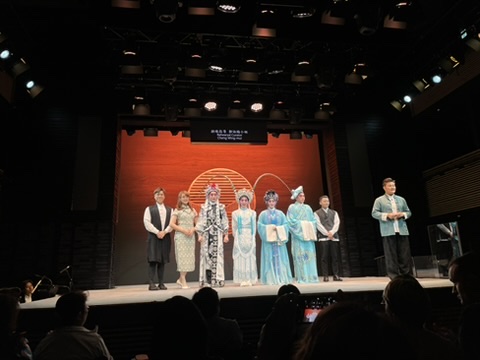
The film’s style also reflects multiple cinematic influences. Hu incorporates elements of Chinese opera through stylized gestures, costume, rhythm, and highly choreographed movement. It wasn’t until I was in Hong Kong at an opera house that I understood how exact operatic movement is, and how this displays action in the same way action films use quick movement to convey force, or precise martial arts combat. In both opera and action scenes, combat felt dance-like at times, emphasizing elegance and visual rhythm. At the same time, Hu uses Western editing and cinematography techniques, particularly in the way different shots are cut together in a scene (wide shot, then medium shot, then wide shot) to convey his idea of martial arts suspense. The combination of these styles creates a film that feels visually distinct and internationally influenced while still deeply connected to Chinese cultural traditions.
Question sheet from “Come Drink With Me” assigned Feb 2nd 2025:
What is the significance of having a heroine at the center of a wuxia film? How is the female knight errant portrayed?
· What narrative strategies and/or stylistic devices does Hu use to create suspense and shape expectations? Provide an example and explain.
· How does Hu incorporate elements of Chinese opera, Japanese samurai films, and western editing and cinematography techniques in the films? What effects do they generate?
· What are some of the stylistic norms utilized by Hu in choreographing the action scenes?· What formal or thematic questions related to the film would be useful to explore in discussion?
Tsim Sha Tsui Opera House, Kowloon, Hong Kong, SAR, China