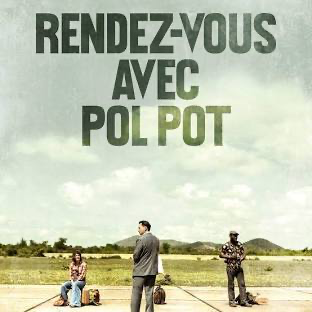
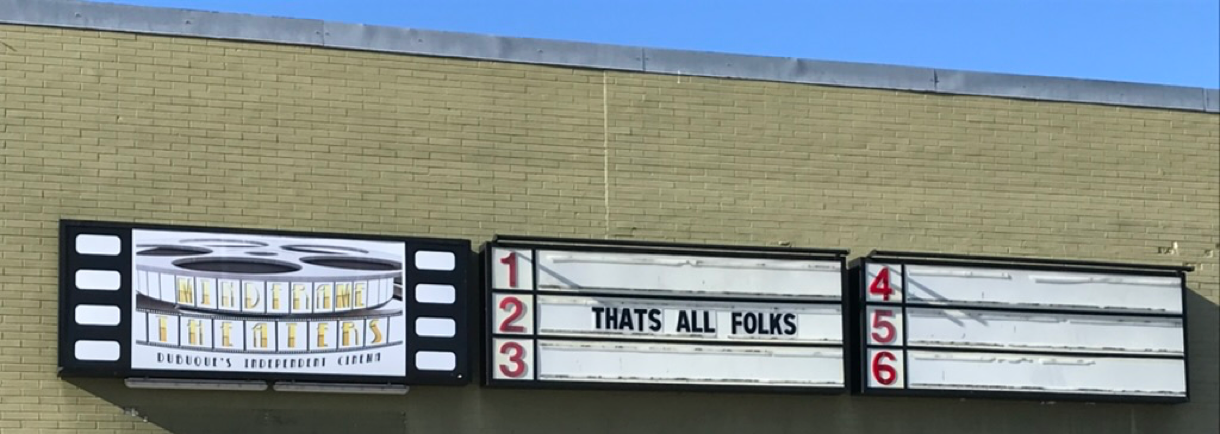
An experience I hold dear was seeing Rendez-vous avec Pol Pot at Le Méjan–Actes Sud, an independent theater in Arles, with my friend, who taught in my study abroad program, and her mother. Before the screening, my friend pointed out a local politician in the audience, which made the theater feel deeply connected to the intellectual and political culture of the city. She told me the story of the politician whose husband had been killed in a car accident the year before. I was happy I could understand the conversation and its multiple tenses in French. The atmosphere was very different from the larger commercial cinemas in the United States. The 9 people in the audience were engaged with the film. After the screening, my friend told me about her travels through Vietnam and Southeast Asia. She explained it was a popular destination because it had been unsafe for so long, and her parents, among other French people, were curious about its new attractions and French-speaking population. Hearing her discuss her travels and tours of past war zones made the history in the film feel less abstract. Before this experience, I mostly understood Cambodia and the Khmer Rouge through brief American educational frameworks (AP US History) focused on Cold War politics. Listening to perspectives shaped outside the United States complicated my understanding of the film and made me more aware of how national and cultural backgrounds influence the way people interpret political history. I had not interrogated the French colonial past with French people before. This semester, while discussing The Lover by Marguerite Duras, set in pre-war French Indochina, classmates were unsure how to reckon with France’s relatively present colonial past. This distant past, yet recent past is used by the text itself’s structure to explain a French woman’s relationship to memory. Throughout, her Chinese lover is “other’d” by time, distance, and a false view of the “orient”. It was impossible in the hour-long class to problematize the text’s structure with a post-colonial reading, as not enough of us had read Edward Said’s Orientalism (1978). The GEM learning goal of intercultural understanding was necessary to engage seriously with perspectives outside my own cultural framework. It also strengthened my critical self-awareness by making me recognize how limited and U.S.-centered my understanding of Southeast Asian history had been. It also reinforced my belief in cinema, specifically small independent cinema like the one I had grown up with my parents helping manage in Dubuque, Iowa. Here, intergenerational conversations were possible, and discussions were started over a shared movie experience. Cinema is storytelling, and a space where intercultural dialogue and historical reflection can be processed collectively.